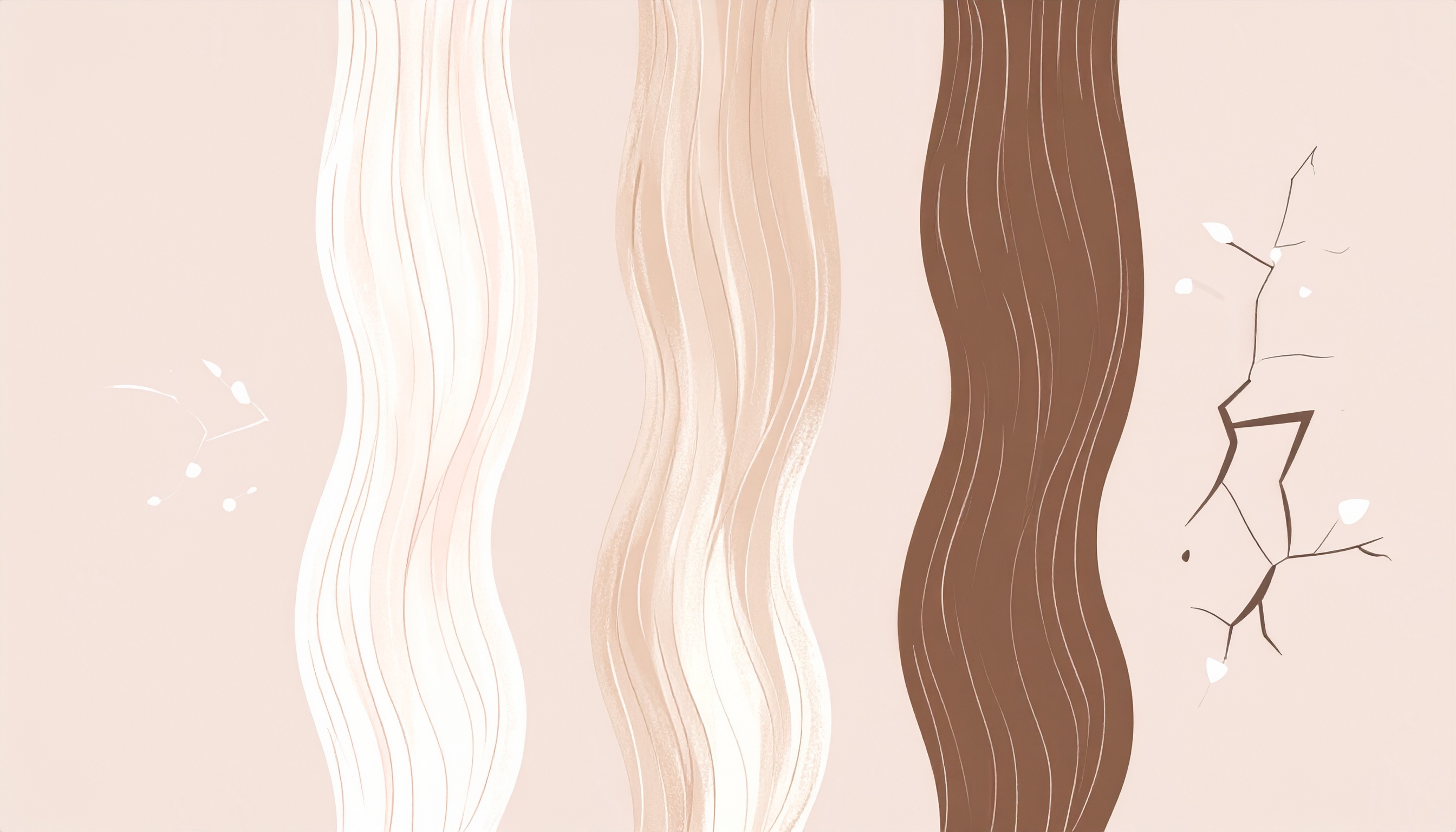
Hair that misbehaves often gets lumped into one of three categories—dry, frizzy, or damaged—but these terms aren’t interchangeable. Understanding the difference between them is key to choosing the right products and treatments. Let’s break them down and explore how to tell them apart and care for each.
Dry Hair: What It Really Means
Dry hair lacks moisture. This can be due to genetics, weather, overwashing, or using products that strip natural oils. You’ll often notice that dry hair feels rough, looks dull, and tangles easily. It may not break off as often, but it lacks shine and elasticity.
Common Causes:
- Harsh shampoos
- Too much sun exposure
- Heat styling without protection
- Not conditioning enough
How to Treat It:
- Use a sulfate-free, moisturizing shampoo
- Deep condition weekly
- Apply leave-in conditioners or hair oils
- Avoid washing daily
Frizzy Hair: Not Always a Problem
Frizz is not necessarily unhealthy—it’s often a sign that the hair’s outer layer (cuticle) is raised, letting moisture in and out freely. Frizz can come from dryness, humidity, or the natural texture of your hair, especially if it’s wavy or curly.
Common Causes:
- Humid weather
- Heat damage
- Rough towel-drying
- Using the wrong products
How to Manage It:
- Apply anti-frizz serums or creams
- Use microfiber towels
- Lock in moisture with sealing oils
- Avoid brushing dry hair
Damaged Hair: The Warning Signs
Damage means the hair structure is compromised. It’s often the result of chemical treatments, heat tools, or physical stress. Damaged hair can feel dry and look frizzy, but the key signs include breakage, split ends, and a gummy texture when wet.
Common Causes:
- Bleaching and dyeing
- Flat ironing or curling without protection
- Tight hairstyles that pull the hair
- Overprocessing with relaxers or perms
How to Repair It:
- Trim split ends regularly
- Use protein treatments to strengthen strands
- Minimize heat styling
- Give hair a break from chemicals
How to Tell the Difference
Sometimes, hair can be both dry and damaged—or dry and frizzy—but knowing the root issue helps tailor your routine.
- If your hair lacks shine but doesn’t break: Dry
- If your hair puffs up and resists smooth styles: Frizzy
- If your hair breaks easily, has split ends, or feels mushy: Damaged
Summary
Treating your hair right starts with understanding what it needs. Whether it’s moisture, smoothness, or repair, each issue responds best to specific care. Listen to your hair—its texture, look, and feel are always telling you something. And when you respond with the right routine, your hair can look and feel its best.